Hellmann's Search For America's Sandwich Runs On Occasion Data And Consumer Participation
Brent Lukowski of Unilever and Food Network host Jeff Mauro on how occasion data pointed Hellmann's at the sandwich and what a 50-state vote returns.

Make The Intelligence Record one of your go-to sources on Google


The sandwich debate is the greatest sport in America right now.
Sandwiches account for eight of the 10 most common moments when people reach for Hellmann's. That number is why the brand marked America's 250th anniversary by asking the country to name an official sandwich, a title the United States has never had. One entry from each of the 50 states goes into a public bracket, and round-by-round voting narrows the field toward a single winner. The results tell Hellmann's which regional sandwiches hold up once people outside that state get a vote, and the comments underneath show what people put on them at home.
Brent Lukowski is Senior Marketing Director for Condiments US at Unilever, where he leads Hellmann's marketing in the American market and built the campaign from that number. His work at Unilever spans brands including Dove, and at Hellmann's he has run a series of programs that put the brand inside cultural arguments it can credibly join, including a petition to redesign the sandwich emoji.
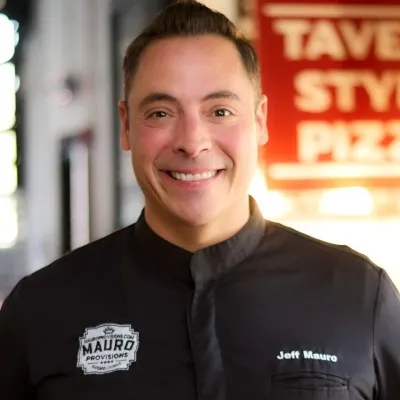
Jeff Mauro, the Food Network personality behind Sandwich King and a co-host of The Kitchen, fronts the campaign as its commentator. "The sandwich debate is the greatest sport in America right now," Mauro says.
Hellmann's is buying into that argument. The brand tracks what it calls usage occasions, meaning the specific moments a product gets used, and its own read of those moments is what pointed at the sandwich.
Reading usage occasions
Occasion data works differently for a condiment than for a product people buy on its own, because the moment belongs to whatever the customer is making. Hellmann's sits inside a choice someone else is making about lunch, so its growth follows how often people make sandwiches and how they build them. Tracking those moments is how the brand decides where to put its money.
"Sandwiches are one of the most popular host foods for Hellmann's. Condiments are a supporting ingredient, so the question is what's the lead dish you're creating," Lukowski says. Hellmann's sells more mayonnaise when the country makes more sandwiches. A campaign that gets people excited about the category works on that directly, and the product does not have to be the subject of it.
Occasion tracking gets Hellmann's to the category, and the bracket takes it further. The data names the dish and how often it turns up. Which sandwich Alabama would claim as its own, and whether anyone outside Alabama would vote for it, is what the contest was built to answer.
Where the data led
Most American households buy Hellmann's. That scale is what made the question land. Nobody had to ask why a mayonnaise company was running a sandwich contest. "We're in more than one of every two households, so people have already decided that our flavor profile, for the most part, makes every sandwich better," Lukowski says.
Then came the state-by-state work. Hellmann's picked which sandwich would represent each state, and which version of it people there would make at home. Sales data pointed to the category, and getting the 50 entries right is what turns one national campaign into 50 local ones, because people vote when they recognize their own sandwich on the list.
Hellmann's has tracked the sandwich occasion for years. America's 250th anniversary is why the campaign runs now, since a national birthday is the one moment when a question about the country's official sandwich gets taken seriously. Every other brand in the market was planning against the same date.
Neighborhood by neighborhood
Every round leaves a record, and most of it is written by the audience. Votes get cast in the comments on Hellmann's Instagram posts, so the ballot and the argument sit in the same thread. Creators in each state post their own version of the entry, and the replies underneath fill in the local variations.
One sandwich has to stand for an entire state, so Hellmann's picked a name for each before anyone voted. New Jersey runs as the Italian Sub under the tagline "Don't call it a hoagie," which puts a naming dispute in the thread from the start.
"It starts at the macro level as a country, then gets granular to the cities, then hyper granular. People will tell you their neighborhood's Italian sub is better than the one three blocks from yours," Mauro says. The comments give Hellmann's something it can use next year, since people name the ingredients and describe how their own block builds the sandwich. A winner is only news for a day. That detail is still good the following summer. "We'll look back on the program as successful if we drove attention and engagement around what sandwich should be crowned, and around Hellmann's role in that," Lukowski says.