The Invisible Shortlist: How AI is Quietly Rewriting B2B Discovery
Laura Lake, Founder of AI-Ready Buyer Research, lays out the cross-functional playbook B2B brands need to stay visible inside conversational AI.

Make The Intelligence Record one of your go-to sources on Google


You may not see the intent until they've created their shortlist. By the time the salesperson enters the room, the shortlist is already made.

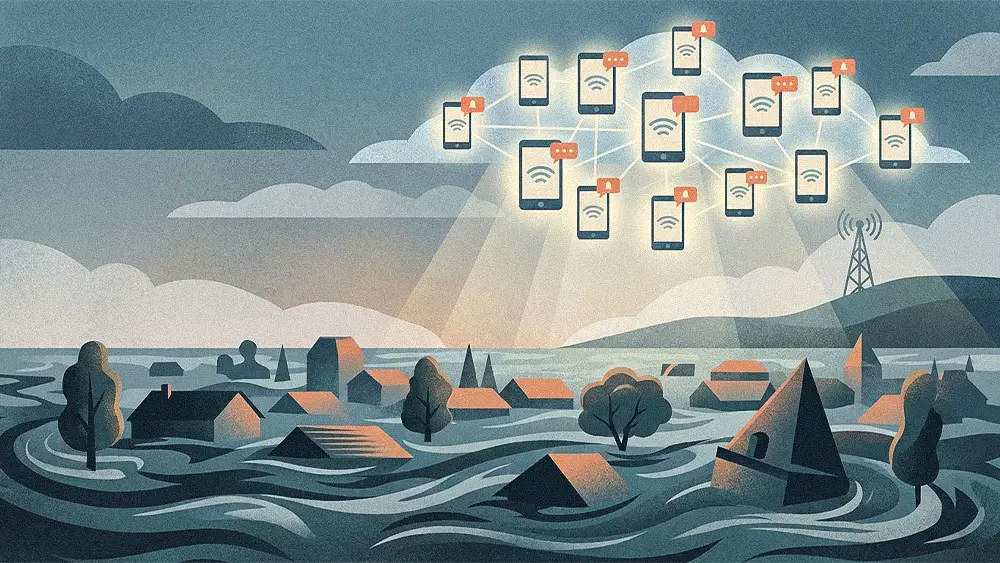
Conversational AI is building B2B vendor shortlists before any human buying committee meets. The models pull from owned content, earned media, analyst reports, and review platforms, sorting brands in or out before a single sales call happens. Shaping how a brand surfaces inside a language model requires coordination across every team producing content the model can read, from marketing and PR to communications and social.
Laura Lake is the Founder and Principal Analyst of AI-Ready Buyer Research, a research practice focused on how artificial intelligence is reshaping B2B purchasing behavior. Her research into AI-mediated B2B purchasing behavior is the basis for her new book, The AI-Ready Buyer. She is also the author of Consumer Behavior for Dummies. Across two decades of digital strategy, ecommerce, and brand work inside Fortune 500 environments, she sees the current discovery shift as more disruptive than most leadership teams have named.
"You may not see the intent until they've created their shortlist. By the time the salesperson enters the room, the shortlist is already made," Lake says. That shortlist gets built somewhere most marketing teams are not currently looking. Much of the AI conversation inside the function today centers on internal productivity, from faster email drafts to auto-generated copy to engineers shipping code more quickly. The focus crowds out a more pressing question about how external buyers actually find a brand.
A Brand Told in Pieces
Conversational models synthesize answers from a wide mix of inputs, including owned content, earned media, analyst reports, review platforms, and social conversations. Inside large organizations, those inputs sit in separate lanes. Marketing owns the website. PR manages earned media. Comms handles press releases. Analyst relations operates somewhere else again. Each team does its own job well, but no one carries responsibility for whether the full picture reads coherently to a language model.
"One person or one team can pull a lever, but it takes orchestration across all of them to decide how we want to show up," Lake says. The result is brand drift across AI outputs. A company's website might emphasize ease of integration, its press releases might highlight enterprise wins, and its third-party reviews might tell a different story altogether. Without a shared thesis to anchor the picture, the model defaults to whichever signal carries the most weight, and that is increasingly third-party sentiment. Few brand teams have agreed on the three to five claims that should guide how they show up to an algorithm, which means the algorithm picks for them.
The Silent Committee
That fragmentation lands differently for every buyer. Members of a typical B2B buying committee prompt conversational AI in very different ways. A CFO asks about billing practices and contract terms. A sales leader asks about the difficulty of integration. A CMO asks about category reputation. Each receives a different blend of owned content and third-party sentiment, and each walks into the next internal meeting with impressions already formed.
Lake calls this pattern the Silent Committee. The discovery stage often plays out entirely outside the seller's line of sight, which means the most important conversations about a brand happen where the brand has no visibility. "You may not ever see the intent until they've already created their shortlist," Lake says.
If an answer engine surfaces that a vendor is hard to work with, that customer service goes unanswered, or that integration is painful, buyers can quietly rule that vendor out before the company realizes it was being considered. The decision happens. The seller never sees it.
When the Funnel Goes Dark
The visibility gap is already showing up in the numbers that brand and demand teams watch most closely. Website traffic softens as buyers turn to chat interfaces instead of search. Form fills arrive later, if they arrive at all. Outbound emails sit unanswered, sometimes because the buyer has already moved past vendors that did not appear in their AI-led research. The funnel has migrated somewhere that most go-to-market dashboards cannot read. "What companies are going to start to see over time is the pipeline is going to look full, then it's going to dry up, and you're not going to understand why it dried up," Lake says.
The first step toward fixing that is a surface audit. A team queries the major conversational models the way a buyer would, then documents what each system says about the brand, its products, and its closest competitors. Review platforms like G2 belong in the audit as well, since the models treat third-party sites as high-trust inputs and lean on them heavily when sentiment is mixed. The audit creates a baseline. Without one, every subsequent fix is a guess.
Hiring for the Gap
Audit work runs straight into organizational reality. Search and media teams are often the first to notice branded queries trending down, but they rarely have the authority to coordinate a response across departments. Without a clear owner, the work splinters along familiar lines and stalls. Marketing keeps shipping web copy. PR keeps shipping releases. Comms keeps shipping statements. Each output reads fine on its own. Together, they fail to add up to a coherent signal for a language model.
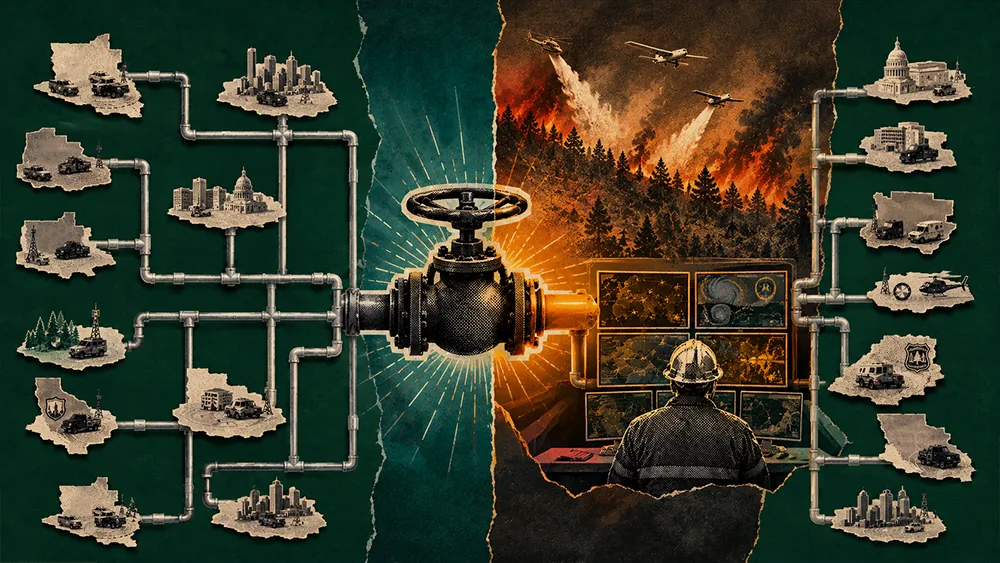
For Lake, the answer looks less like a standing committee with every function gathered at the table and more like a hub-and-spoke model anchored by a dedicated coordinator. Lake calls that coordinator the AI Buyer Behavior Analyst. The role sits above the functional lanes rather than inside any one of them, monitoring how the brand appears across conversational models, deciding which claims need reinforcement, and pulling the right specialists in at the right moments.
"You don't need multiple people from multiple functions. You identify a point person in each lane to work with the coordinator, and everyone aligns from the start," Lake says. The role does not need to arrive as a new headcount on day one. In most companies, the work begins as a pilot stacked on top of existing jobs. A marketer, a PR lead, and a social manager band together around a single initiative, learn the rhythm of the work, and prove the case for permanence later.
Start Small, Build the Playbook
Lake recommends choosing low-hanging fruit for the first pilot rather than the hardest segment. A specific product launch, a single brand claim the team wants to reinforce, or a glaring inaccuracy in AI results all qualify. The pilot does two jobs at once. It gives the cross-functional team a working rhythm, and it produces a baseline to measure later efforts against.
From there, the work becomes a documented playbook. The team records what they audited, what changes they made across web, PR, social, and analyst touchpoints, and how the models responded over time. That documentation turns a one-off project into a repeatable pattern the team can apply to additional products, regions, or buyer segments. Skip the documentation step, and every new initiative starts from zero. "If you start with five things and you're doing all of those simultaneously without really allowing the team to get their bearings, working together, and finding a point person, then you don't really have anything repeatable. Without a strategy, you're just asking people to do more work," Lake says.
The Clock the Org Chart Cannot See
Most teams, particularly inside larger enterprises, are still in an education phase with their own leadership. The timeline is compressing. As conversational AI gets woven further into search, content platforms, and the workflows buyers already rely on, companies that ignore how they show up are likely to watch their pipeline drift in ways traditional reporting cannot explain. The shortlist gets made. The vendors get chosen. Everyone who never knew the conversation was happening is left out of it. Lake concludes: "This isn't a workflow problem. It's an organization design problem. Most leadership teams haven't named that this needs to be owned, and that's the biggest gap."